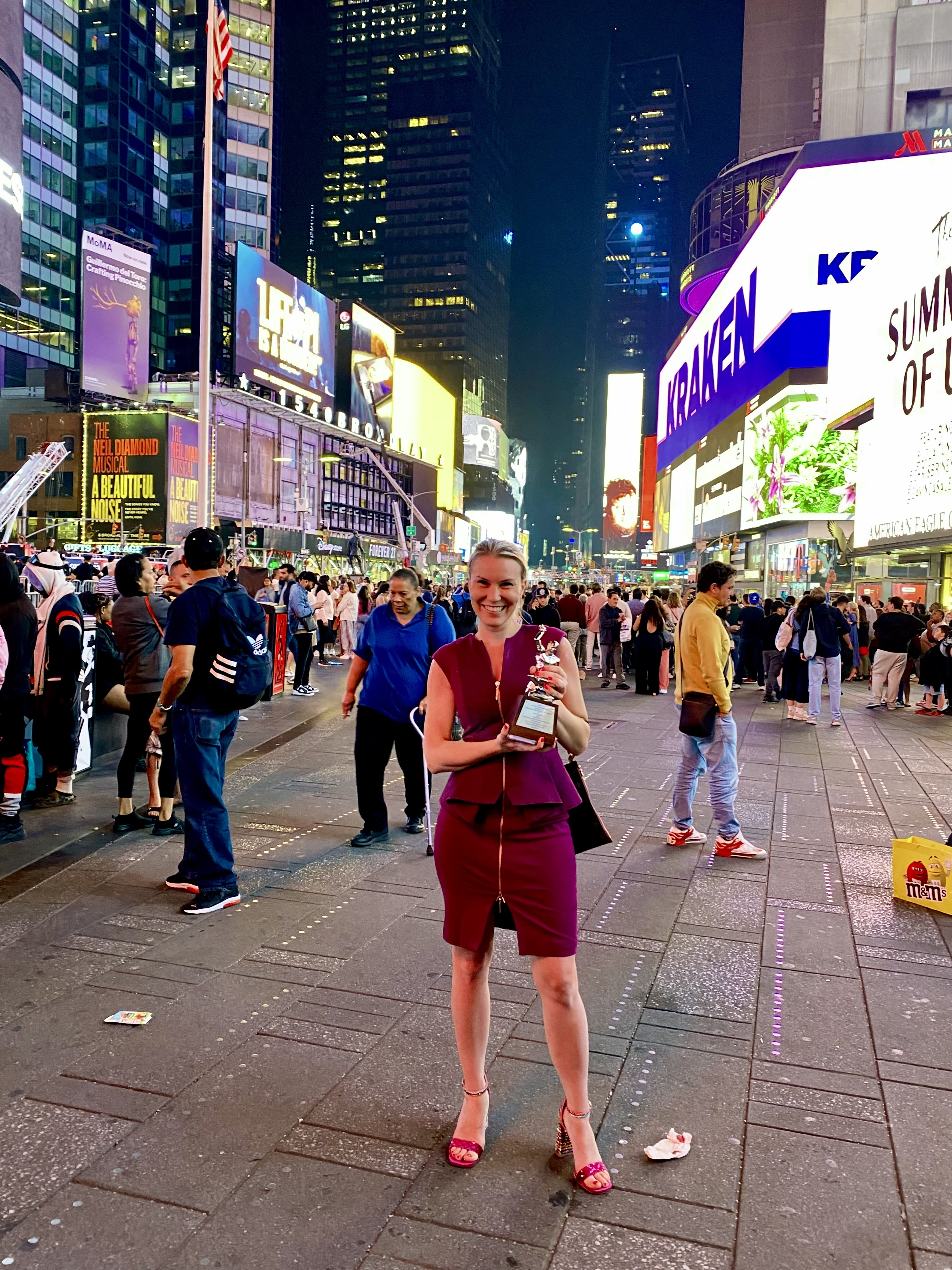
It’s human nature: we all like to be recognized for a job well done. But being recognized for doing work that’s a shining example of PR + marketing smarts comes with a unique sparkle.
At H5, we intimately know the ins and outs and ups and downs felt in the development and execution of every campaign. We recall the energy of each brainstorm, the detail poured into the strategic planning, the finesse placed in every line of key messaging and the sense of anticipation and joy in finally bringing that program to life.
We often think that the wildest, brightest or boldest programming is the north star for PR agency award recognition, but it’s more about the designed intent and the ultimate impact that wins over the hearts and minds of judges. What problem needed to be solved? How did you tackle it? Was their research supporting your solution? What roadblocks arrived along the way? Did you succeed?
It takes time to boil even the smallest PR and marketing program down to a well-crafted two-page summary, but the satisfaction of seeing the team’s hard work applauded is worth every keystroke. Here’s how:
Start with the End in Mind
“Award entries can almost write themselves when programs are grounded in research and insights, have measurable objectives and are structured to capture and analyze results,” said Jenny Kelly Cogdal, Chief Strategy Officer. With that structure in place, it becomes much easier to flaunt the level of your PR firm’s creativity, quality of the execution and impact of the results in your short entry. Without those foundational guides in place from the start, it’s difficult to showcase how the project or campaign delivered against its intended target and sits apart from the pack of other great work.
Formulate Measurable Objectives
This can be much harder than it sounds, but judges will quickly dismiss an award entry that doesn’t include measurable objectives. Without it, how can they assess whether your program was a strategic success or just a nice communications campaign? More objectives aren’t more valuable, either: center on two to four key, measurable, objectives where you can showcase how the program impacted opinions or behaviors, reached a specific target audience or helped grow sales. Successful award entries have dedicated, succinct and accurate targets stated at the upfront to be measured against results.
Recognize Outputs vs Outcomes
Maybe it took three months of negotiations to pin down that celebrity partner; maybe your media list included 1,000 media targets; maybe it took 10 rounds of reviews to approve a press release. Don’t confuse the busy work the PR agency team invests in the program with the outcomes of the program. Media relations isn’t a strategy, and it isn’t an outcome. Maybe it was a key tactic executed in the campaign and the outcome of that coverage was a rise in consumer awareness or a shift in consumer behavior. Focus on showing how the work was designed to drive to the desired outcome, not just how the team got there.
Step Into the Judges’ Shoes
As the PR agency team, we are living and breathing the nuances of the organizations we serve. We know the product or service inside and out and the ecosystem our clients operate within. So, it’s our job to help the judges visualize the story, making them feel as if they were part of the planning and execution of the campaign, taking them step by step through each carefully crafted decision.
Every point in the entry needs to be compelling, insightful and easy to digest for an outsider. Eliminate the insider language, skip the PR agency jargon and layer in the comparisons that a lay person can easily understand. Never assume they will “just get” how incredibly powerful or unusual the campaign results were and use every opportunity to prove how the work drove impact. When the judges feel deeply connected to the why and the outcome of a campaign, you will have earned an advocate that will fight for your submission.
Think Details, Details, Details
Nothing flattens a killer entry faster than a sloppy one. Review every detail, check for typos, grammatical errors and inconsistencies before hitting the submit button. Ensure that any links to sample decks, videos, social posts or media examples are unlocked and accessible. Giving teams weeks of lead time to develop and review the work in full can help avoid unforced errors, and having one or more people outside of the core client team comb through the contents of the entry can catch things the writers may have missed.